Different types of ADUs

Last summer, a North Park couple turned a dusty garage into a bright studio. By fall, rent covered most of their mortgage. Same lot, new life. That’s the power of an ADU—now let’s find the version that does the same for this property.

ADUs in San Diego: Which One Fits Your Home (and Life)?

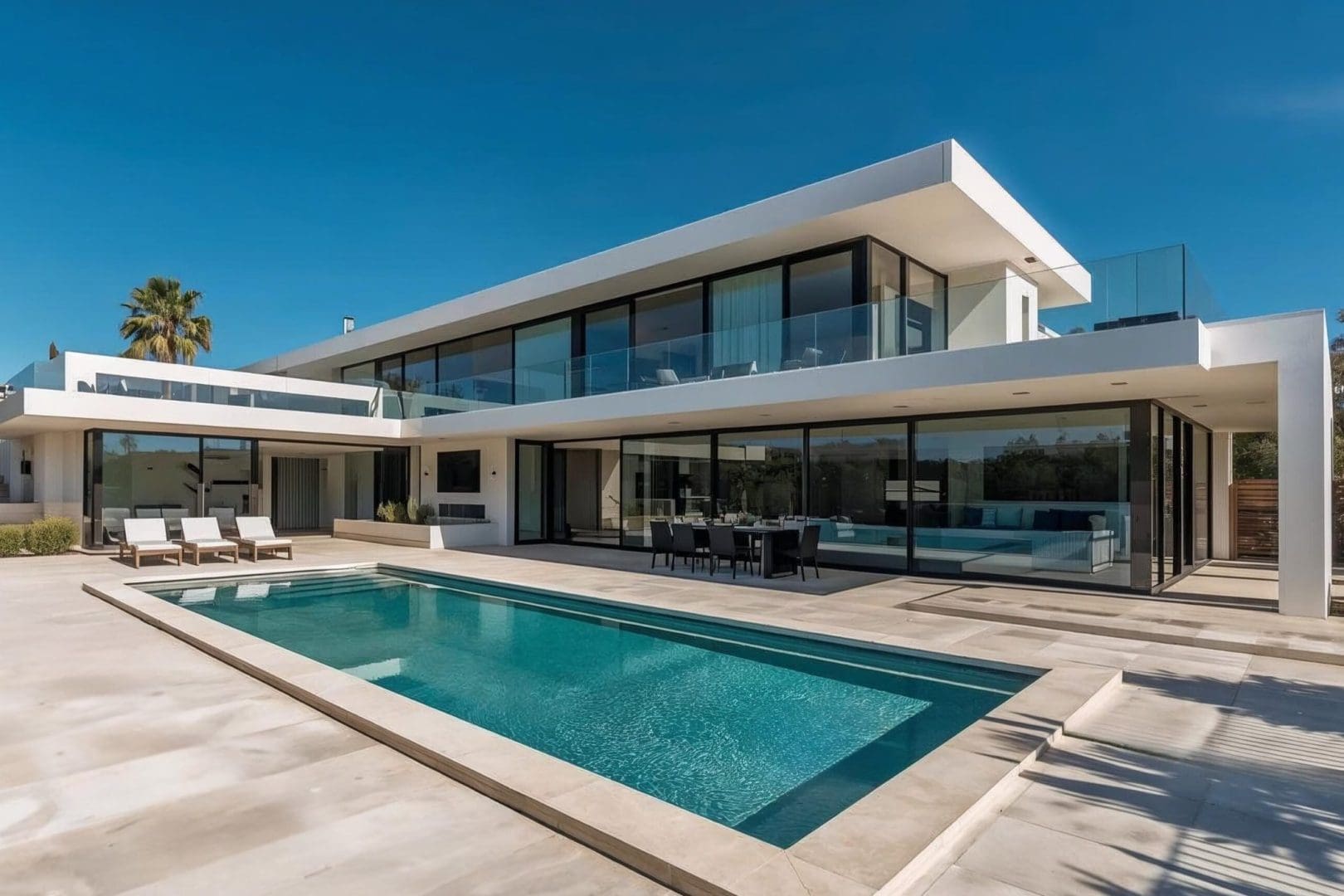
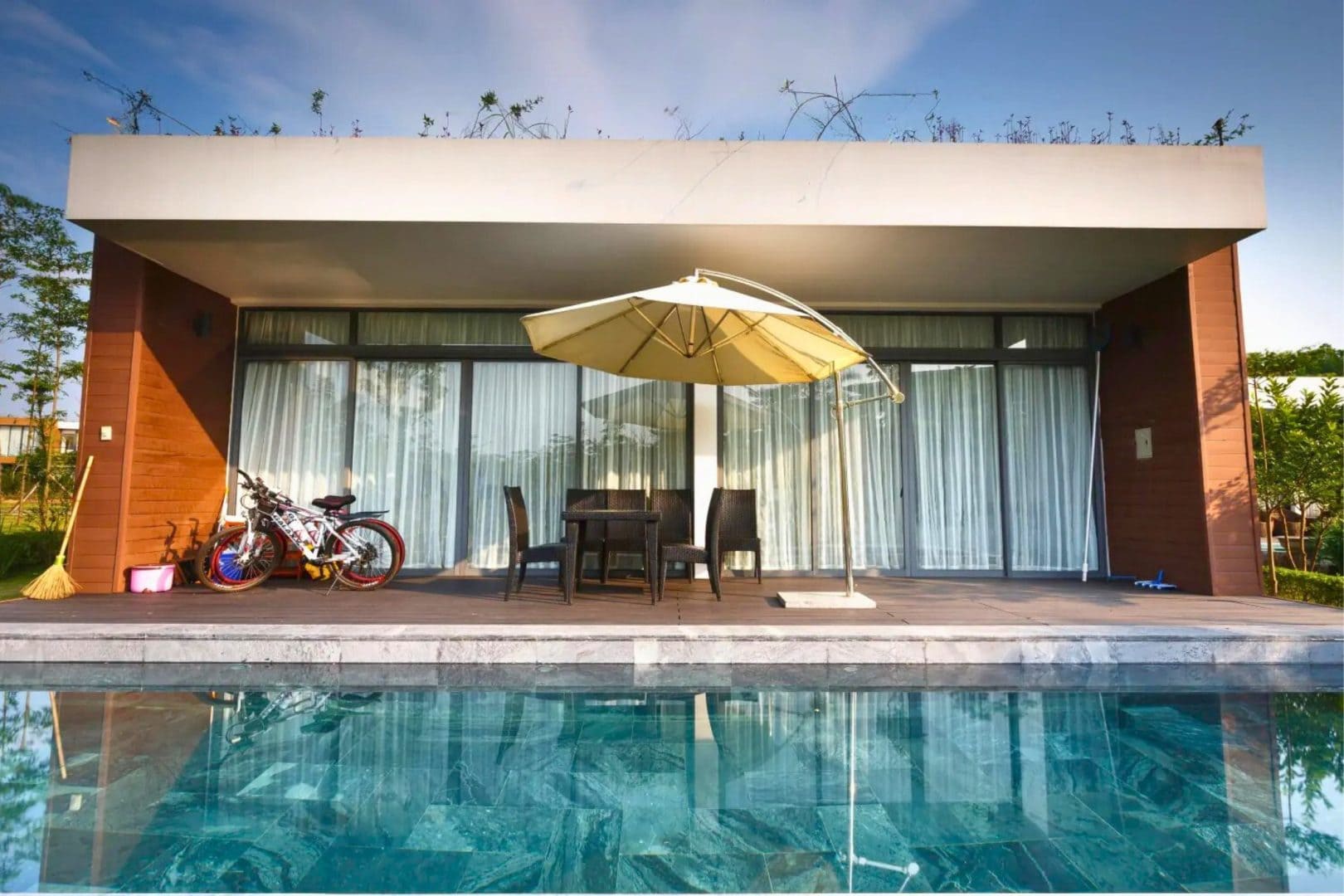
A San Diego ADU can take many forms depending on the property and the homeowner’s goals. It might be a stand-alone backyard home, a garage conversion, an addition to the main house, a unit built over the garage, a basement conversion, a compact JADU, or even a prefab structure.

The right choice depends on available space, budget preferences, and the long-term goal. This could include rental income, housing for family members, or increasing property value.

What is an ADU—and why San Diego loves them

An ADU is a secondary home on the same lot as a primary residence. Around San Diego, ADUs go by many names—granny flat, backyard home, casita. Homeowners add them to create rental income, keep family close, or boost resale value in a high-demand market.

best san diego adu builder

The lineup (in plain English)

1) Detached ADU

A small stand-alone home in the yard.
Great for: Privacy and strong rental potential.
Why people like it: Clear separation and design freedom.
Heads up: Needs yard space and new utility runs, so it’s a larger project.

2) Attached ADU

An addition that shares a wall with the main home.
Great for: Narrow lots or when yard space is limited.
Why people like it: Efficient utility tie-ins and a unified look.
Heads up: Less privacy than a detached unit.

3) Garage Conversion

Turn an existing garage into a real apartment.
Great for: Fastest route on many properties without expanding the footprint.
Why people like it: Often quicker and friendly to the budget.
Heads up: Design it well so it never reads like a former garage.

4) Over-Garage ADU

Build a second story above a new or existing garage.
Great for: Saving the yard by going vertical.
Why people like it: More light and views, clean separation.
Heads up: Structural work and stairs or elevator planning add complexity.

5) JADU (Junior ADU)

A compact unit carved from the existing home with an efficiency kitchen.
Great for: Tight budgets, multigenerational setups, and house hacking.
Why people like it: Minimal footprint and faster path to usable space.
Heads up: Smaller by design. Owner-occupancy rules can apply.

6) Prefab or Modular ADU

Factory-built modules delivered and finished on site.
Great for: Predictable schedules and lower site disruption.
Why people like it: Consistent quality and a tidy install day.
Heads up: Crane access, trucking routes, and limited customization need planning.

7) Multifamily Property ADUs

ADUs added to duplexes and larger buildings.
Great for: Boosting income on existing plexes.
Why people like it: In many cases more than one ADU is allowed.
Heads up: Plan utilities, trash, and circulation early.

8) Basement or Under-Home ADU

Finish below-grade or under-floor space into a legal unit.
Great for: Sloped lots and homes with usable under-floor volume.
Why people like it: Efficient use of space and discreet from the street.
Heads up: Moisture control, egress, and daylight are musts.

Quick Comparison (what usually drives the decision)

Quick Picker Guide - ADU Selection
Goal
Best Fit
Reason
Maximum privacy and rental value
Detached ADU
A fully independent home with strong tenant appeal and long-term flexibility.
Balanced cost and timeline
Garage Conversion or JADU
Reuses existing structure to reduce build time and keep costs manageable.
Preserve outdoor space
Over-Garage ADU
Expands living area vertically while keeping the yard open.
Limited lot width
Attached ADU or Over-Garage
Uses shared walls or vertical layouts to make efficient use of space.
Multigenerational setup
Attached ADU or Basement Conversion
Close proximity allows connection with privacy and accessibility.
Predictable schedule
Prefab or Modular ADU
Factory-built units follow controlled production and installation timelines.

A Simple Plan to Move Forward

Step 1: Walk the Property

Let’s take a look at the lot, see what’s possible, and talk through layout, access, and utility connections.

Step 2: Design and Align

We’ll shape the concept together — matching the look, layout, and scope to your goals and budget preferences.

Step 3: Permit-Ready Plans

Clear, code-compliant drawings that make reviews smoother and move the project forward faster.

Step 4: Build with Confidence

Once approved, we handle the build — on schedule, with open communication, and attention to detail from start to finish.

Benefits of Adding ADU

Flexible Living

  • Guest house / Family
  • Home office / Studio
  • Aging parents / Caretaker

Rental Income

  • Passive income
  • Mortgage assistance
  • Increased cash flow

Property Value

  • Appreciation
  • Marketability
  • Higher resale value

Start your journey towards enhancing your living space!

Y9 Construction is based in Sorrento Valley with over 15 years of experience improving homes throughout San Diego. We’re a design-build firm specializing in detached ADUs, garage conversions, and home additions , including full permitting and finish packages. For a no-pressure feasibility review, contact us at 1 (800) 801-0290 or info@y9construction.com

© 2025 Y9 Construction, Inc.

5 Tips for a Successful ADU Project in San Diego

Accessory Dwelling Units (ADUs) are one of the most effective ways to add space, flexibility, and long-term value to a San Diego property. At Y9 Construction, we’ve guided many homeowners through the process, and here are five key insights that make the difference between a smooth project and a stressful one.

1. Understand Local Regulations

Building an ADU in San Diego starts with understanding the local rules. Zoning laws, parking requirements, setback distances, and maximum square footage can vary by neighborhood. Beginning your project with accurate information helps streamline the permitting process and avoids costly redesigns later.

For official guidance, review the City of San Diego Development Services Department and the county’s ADU Resources Page. The city also publishes Information Bulletin 400 on ADUs, which explains current requirements in detail.

Professional insight: Checking the regulations early helps align your design with legal standards from the start, making approvals smoother and keeping your project on track.

2. Plan Your Budget In Detail

An ADU is a major investment. Costs usually include architectural plans, city permits, construction, and utility hookups. Many homeowners forget to budget for landscaping, furniture, or increased utility usage once the unit is occupied.

💡 Value tip: Get a detailed cost breakdown before you start. At Y9 Construction, we help homeowners identify hidden costs so there are no surprises later. Planning early allows you to secure financing or loans with confidence.

outdoor remodeled luxery san diego house
ADU builder San Diego CA

3. Design For Function And Value

An ADU can serve multiple purposes: a rental unit, a guest suite, or a private office. The key is designing a space that feels both functional and comfortable. Good natural light, smart storage solutions, and energy-efficient systems make a huge difference in usability and long-term value.

💡 Value tip: Think ahead about who will use the ADU in 5–10 years. A rental unit may need a full kitchen, while a home office might benefit from soundproofing. The right design now saves costly remodels later.

4. Choose The Right Contractor

Not all contractors have specific ADU experience. These projects involve more than standard residential construction — they require a solid understanding of permitting, utility connections, zoning compliance, and city inspections. Selecting a contractor without this background can result in lengthy delays, non-compliant work, or significant unexpected costs.

Professional insight: When evaluating contractors, go beyond licenses and insurance. Review their portfolio for completed ADUs, verify their knowledge of San Diego’s ADU ordinances, and ask how they typically manage permitting and inspections. Contractors with proven ADU experience tend to anticipate issues before they arise, streamlining the process and reducing risks for the homeowner.

5. Know How Big You Can Build

One of the most common questions we hear is: “What’s the maximum size for an ADU in San Diego County?”

  • Detached ADUs: Up to 1,200 sq ft

  • Attached ADUs: Up to 1,200 sq ft, but limited to 50% of the main residence if smaller

  • ADUs ≤ 800 sq ft: Often exempt from FAR, lot coverage, and open space limits

  • Junior ADUs (JADUs): Up to 500 sq ft, created within the primary dwelling

  • Conversions: Existing garages, attics, or basements may not be bound by the 1,200 sq ft cap

Professional insight: Reviewing your property’s zoning and site conditions early helps identify the best ADU size for your lot, streamlining the approval process and supporting the project’s success.

Ready To Take The First Step Towards Your ADU Project?

Building an ADU is a significant investment, and the right guidance makes all the difference. Our team at Y9 Construction is here to walk you through the process — from design ideas to permits and construction details.

Schedule a complimentary consultation today and let’s explore the best options for your property.

  • 10637 Roselle St. San Diego, CA 92121
  • 1 (800) 801-0290
  • info@y9construction.com
  • License: 968372